Why store cameras catch theft but don’t stop it

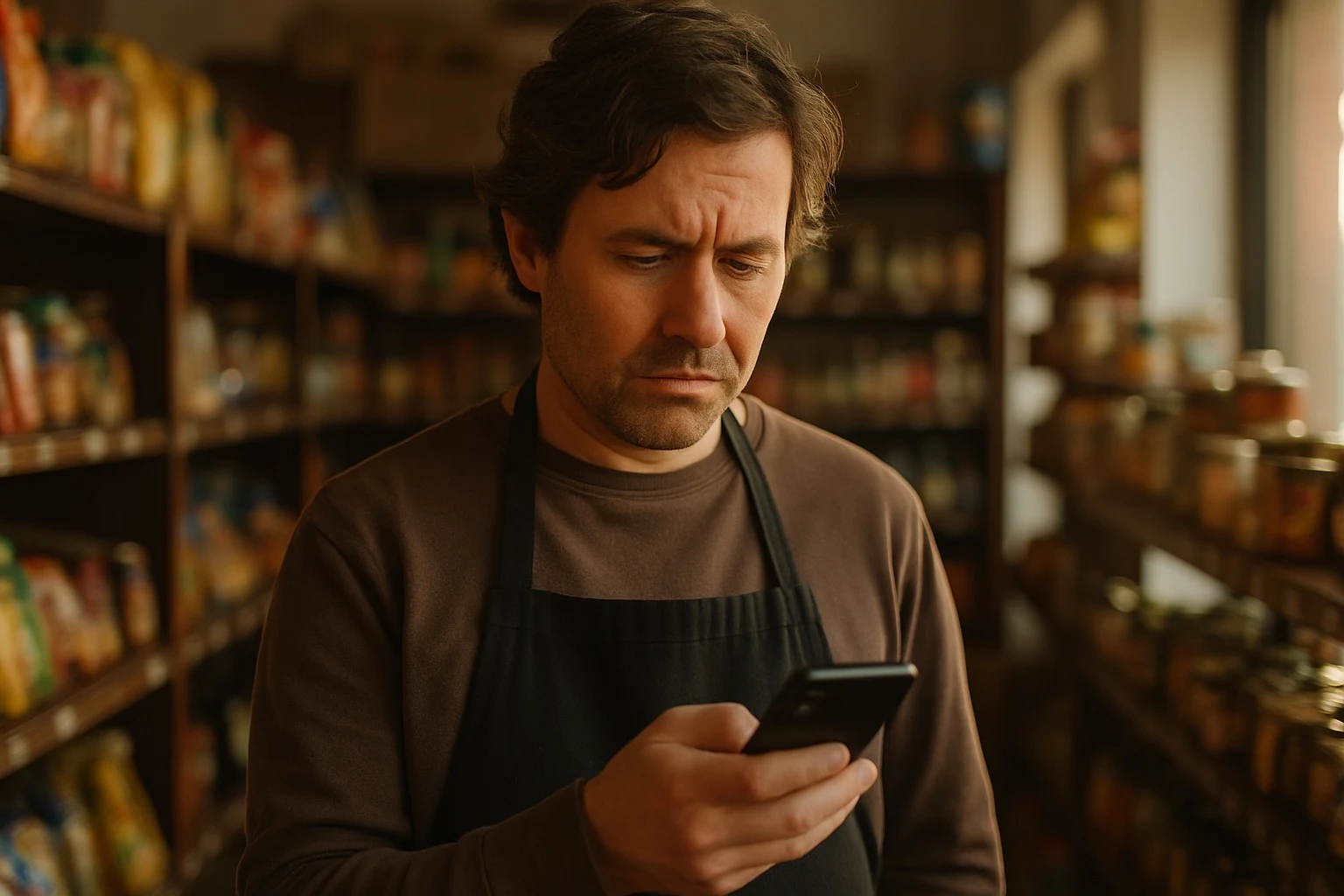
Your cameras caught the thief in full HD. You found out two days later — after the stock was gone, and after the footage had nearly overwritten itself.
That gap, between recording an incident and doing anything about it, is where almost all retail theft lives. You can own a dozen cameras and still lose the same way an unmonitored store does. Because recording was never the same as catching.
This post is for owners who already have cameras — and want them to actually do something.
The problem is bigger than your last bad month
Retail theft isn't a run of bad luck. It's a structural cost, and it's getting worse.
US retailers lost $112.1 billion to shrink in 2022, up from $93.9 billion the year before.As a share of sales, shrink climbed from 1.4% to 1.6% in a single year. And the volume is accelerating: retailers reported a 93% jump in shoplifting incidents in 2023 versus 2019, with dollar losses up 90% over the same stretch.
One number worth sitting with: it isn't all strangers. Of everything stores lose, 36% comes from external theft and 29% comes from internal — your own staff, at the till and the back door.

--- Shrink isn't an abstraction on a spreadsheet. It's the gap on the shelf you notice on a Tuesday.
So the problem is large, rising, and partly invisible. Here's why your cameras haven't dented it.
Why the cameras you already own don't help
Every store that gets robbed on camera has one thing in common: nobody was watching when it happened.
That's not a knock on you — it's how surveillance actually works. Industry estimates put the share of recorded video that's monitored live at less than 1%. The rest is just hard drives filling up.
This is where CCTV analytics software becomes important. A normal camera records what happened. Analytics helps the camera understand what is happening, while there is still time to act.
And even when someone is assigned to watch, it doesn't hold. A person staring at monitors loses 50% of their attention within 20 minutes, then falls off a cliff after that. Human eyes were never built for this.
If you want to understand the technology behind this shift, read our guide to intelligent video analytics and how AI helps cameras interpret activity in real time.
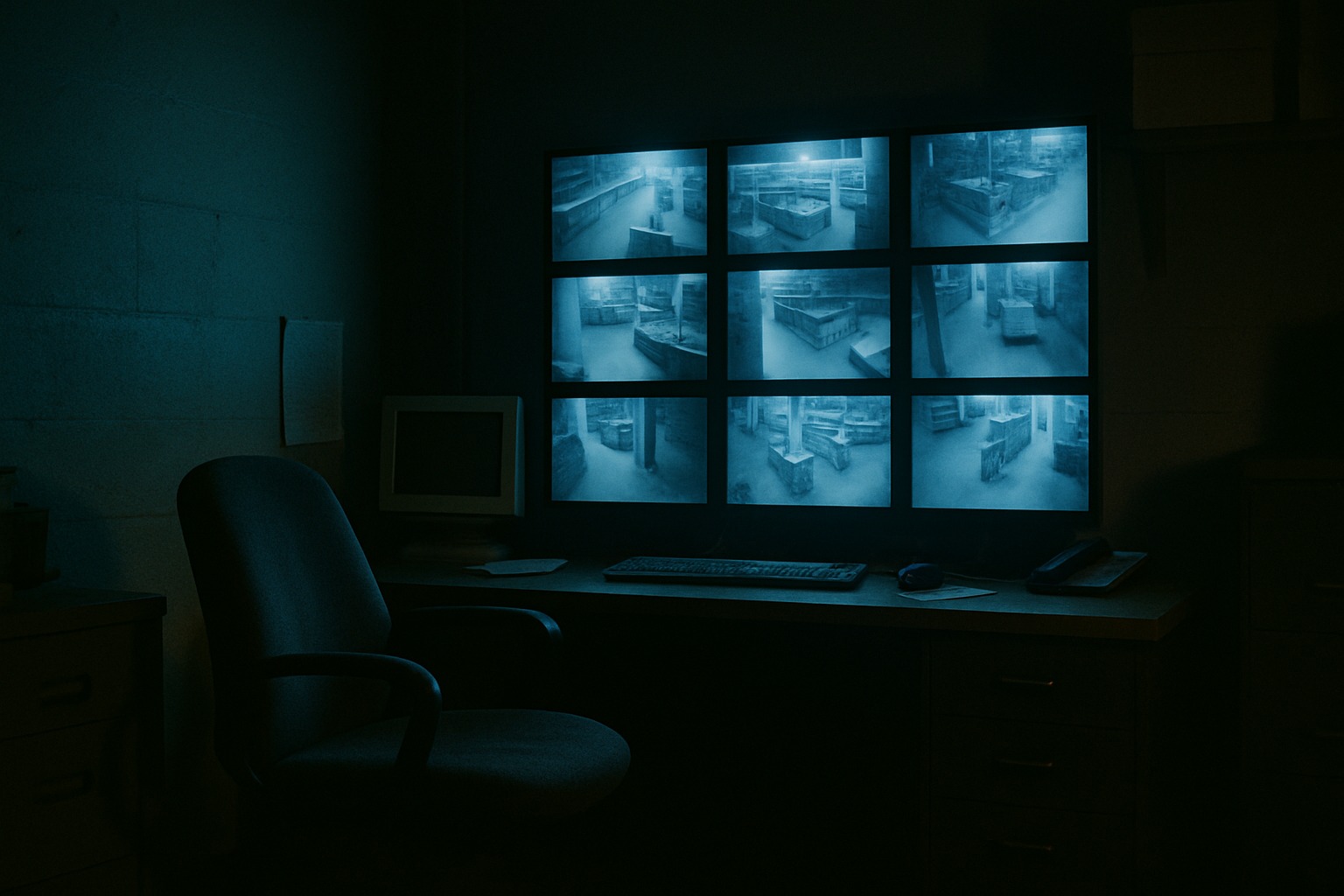
--- The footage is there. The watching isn't. That's the whole problem in one frame
So footage becomes a thing you check after something goes wrong. In one survey, 64% of retail managers said they only review footage after an incident — a theft, a complaint. For smaller stores it's worse: footage gets reviewed every 24 to 48 hours, and often only when the owner already suspects a loss.
By then the trail is cold. As one former loss-prevention reviewer put it: "I hate doing long term reviews. It is time consuming and tedious." And many DVRs overwrite themselves within 7 to 14 days — so the proof can be gone before anyone looks.
This is more than expensive. It's a system that documents your losses instead of stopping them. And here's the part most owners haven't put into words.
Recording was never the same as catching. A recorded theft is just a memory of one.
Look at the odds. Shoplifters are caught roughly once in every 48 times they steal — about 2%. A camera that records 100% of incidents and helps stop 2% of them isn't a security system. It's a very expensive witness.
This is why retail theft detection has to move beyond recording. If the alert comes only after the thief has left, the camera has created evidence, not prevention.
The thieves understand this better than the stores do. As one put it bluntly: "they aren't going to watch back hundreds or thousands of hours of recording to figure out who did it." They're not betting you have no cameras. They're betting nobody's watching them in time.

---Your camera sees this perfectly. It just can't do anything about it
Now the twist. When people are actually watched, they stop. 44% of shoplifters say they'd be deterred if employees simply paid closer attention to them. The single most effective deterrent in retail is attention — applied in the moment. That's the one thing a recording can never give you, and the one thing no human can sustain across every camera, every hour.
This is the real shape of the problem. It isn't a footage problem.
It's a watching problem.
What changes when something actually watches
Picture the same theft, handled differently. The moment someone conceals an item, you get a clip on your phone — while they're still in the store. Not in two days. In about a minute. You can send a staff member over, or simply let the person know they've been seen.
That's the difference between recording and catching: real-time attention on every camera at once, with no fatigue and no blind 20-minute stretches
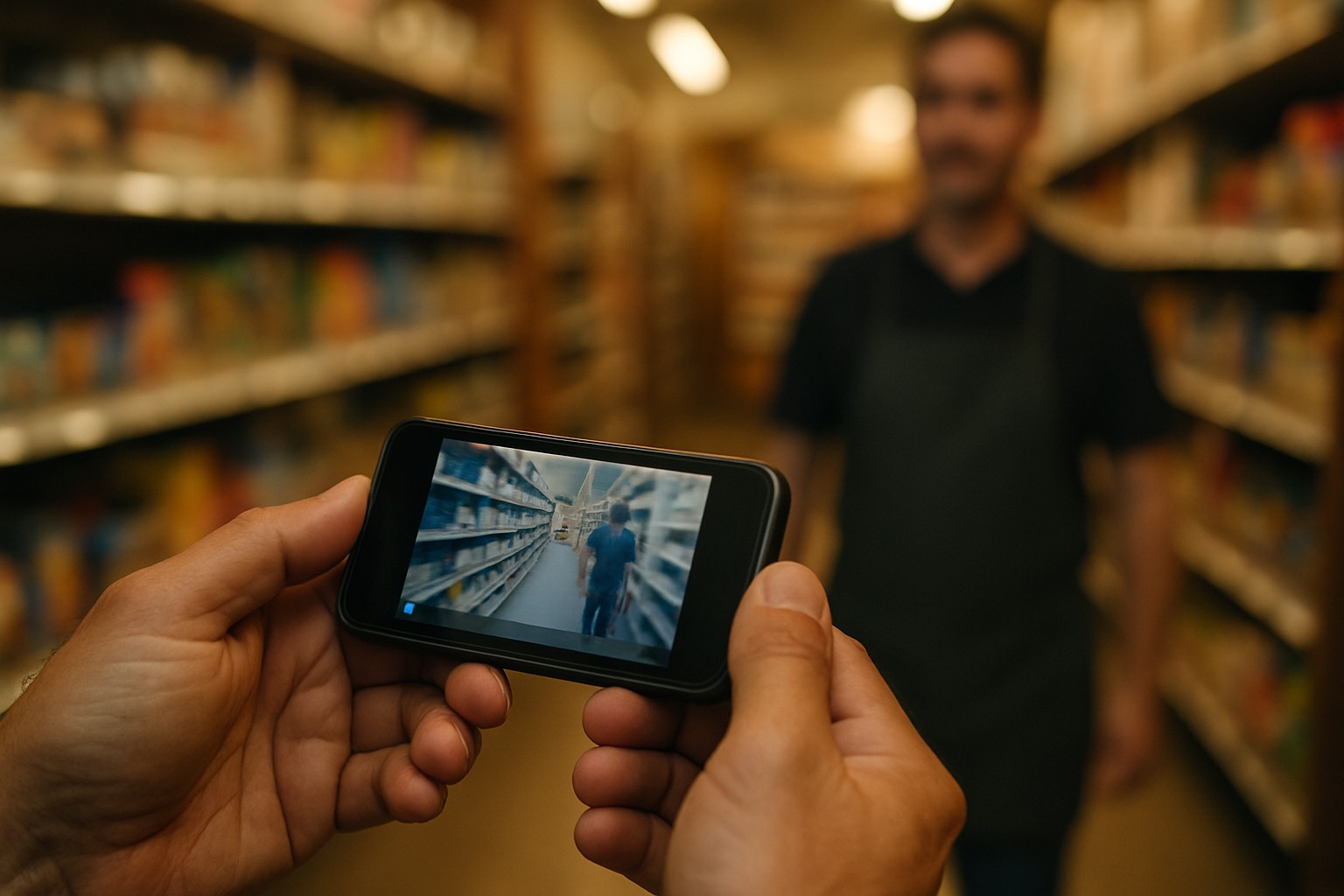
---The clip lands while it still matters — and someone can actually do something with it.
This is what FlowLinks does. It brings AI theft detection to the cameras you already own — no rip-and-replace. With existing camera AI analytics, FlowLinks watches every feed 24/7 for concealment, suspicious handling, and theft-intent behaviour.
When it detects a risk, it sends real-time theft alerts with a short clip to your phone within 60 seconds. The goal is simple: give your team time to respond while the person is still inside the store.
It also fixes the after-the-fact pain. Instead of scrubbing hours of tape, your team can use searchable CCTV footage to describe what the person was wearing and search across every camera — investigation in under 5 minutes, not 4 hours.
Providers that monitor in real time report meaningful results — one cites a 30% reduction in shrink after switching from recording to active detection. Treat that as directional, not a guarantee. But the direction is the whole point: watching beats recording.
Three things to check this week
You don't need to buy anything to start. You need to know where your gap is.
1. Time your own response. Next time you spot a loss, note how long it took to find the footage. If it's measured in hours or days, that's your exposure window.
2. Count your blind hours. How many hours a day is anyone actually watching your cameras live? For most stores the honest answer is zero.
3. Check your overwrite window.Find out how many days your DVR keeps footage before it loops. Under two weeks, and you may be losing evidence to time, not just to thieves.
Answer those three and you'll know exactly how much "recording" is really costing you — and where AI video analytics for retail can turn passive cameras into active loss prevention.
Theft isn't the only problem passive cameras can miss. See how messy shelves, spills and abandoned baskets can quietly cost your store sales →