The store mess you can’t see is costing you sales

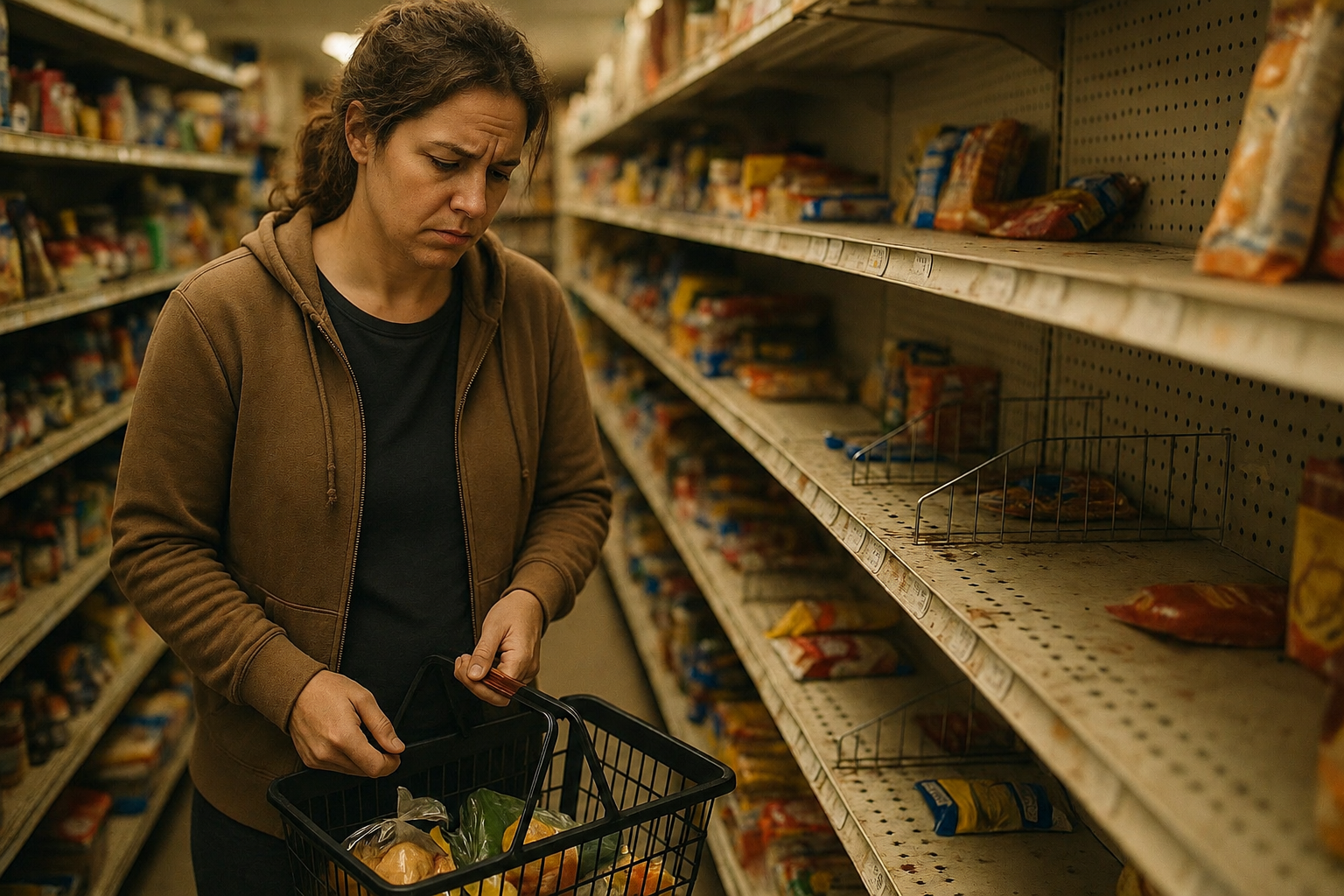
It's 2:40 on a Saturday. A woman has a half-full basket and one more thing to grab. She turns into the aisle — and it's a wreck. Picked-over shelves, a box half-unpacked on the floor, no staff in sight. She scans for a minute, can't find it, and there's no one to ask.
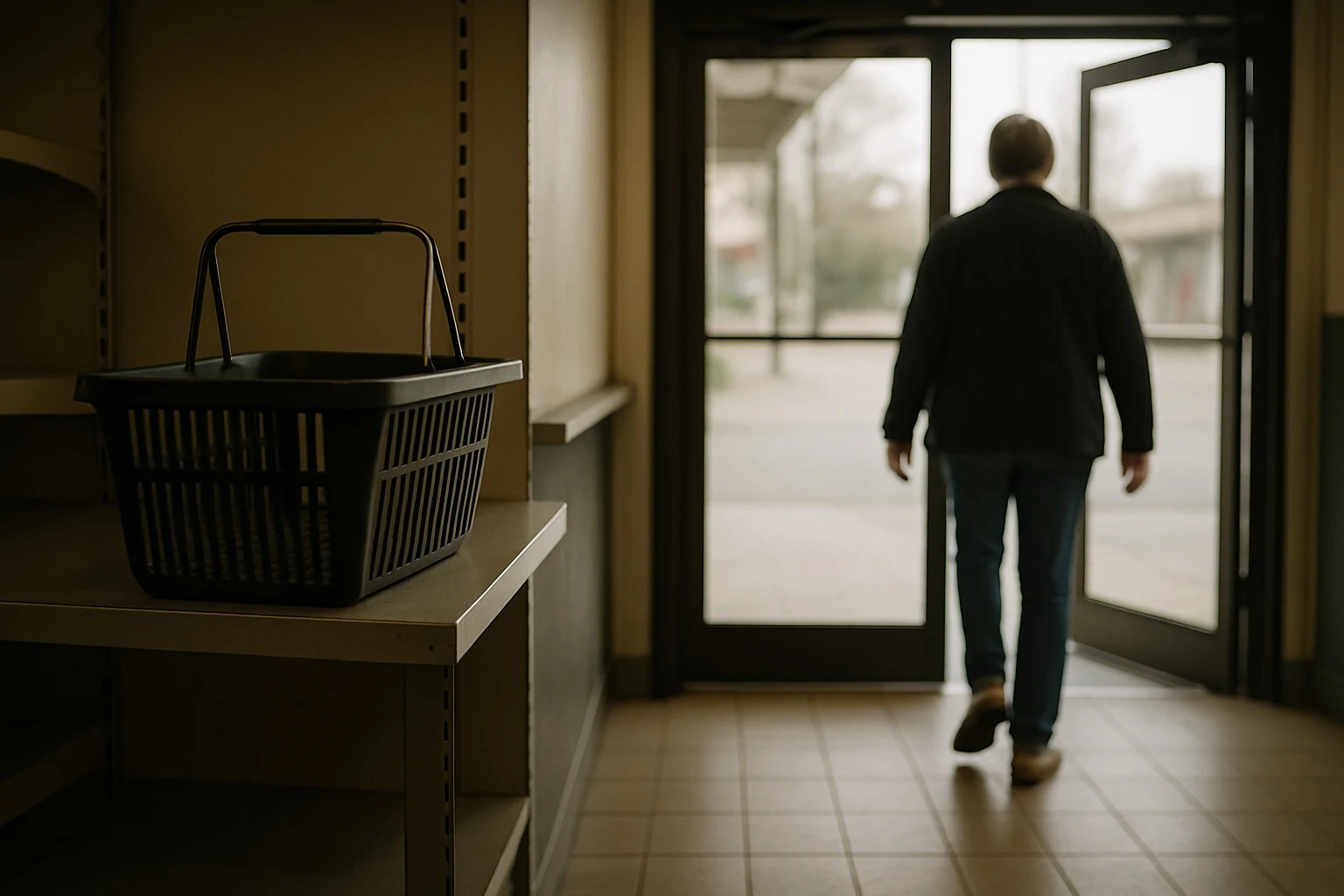
She sets the basket on a shelf and walks out. No receipt. No complaint. No record of any kind. To you, it was just a slightly quiet afternoon.
It wasn't quiet. It was a sale leaving the building — and she's not alone. Over two-thirds of shoppers say they've walked out of a store because it was messy or disorganized.1 Almost none of them tell you why.
The loss with no receipt
This is what makes mess so dangerous: it costs you nothing you can see. A walk-out leaves no transaction to find in the till and no line on the P&L. It just looks like slow traffic.
But in reality, this is where retail store analytics matters. A messy aisle, an empty shelf, or an abandoned basket may not show up in billing software, but it directly affects in-store conversion tracking.
The research says it isn't slow traffic. In one survey of 1,500+ shoppers, 70% of recent bad store experiences came down to mess — disorganized shelves, dirty floors, burned-out bulbs.64% said they'd walked out over a store's appearance and disorganization. And the part that should sting: 69% didn't just leave — they went and bought it from a competitor instead.
---Your Saturday shopper didn't fill out a survey. She just drove to the store down the road.
It's a timing problem, not a chores problem
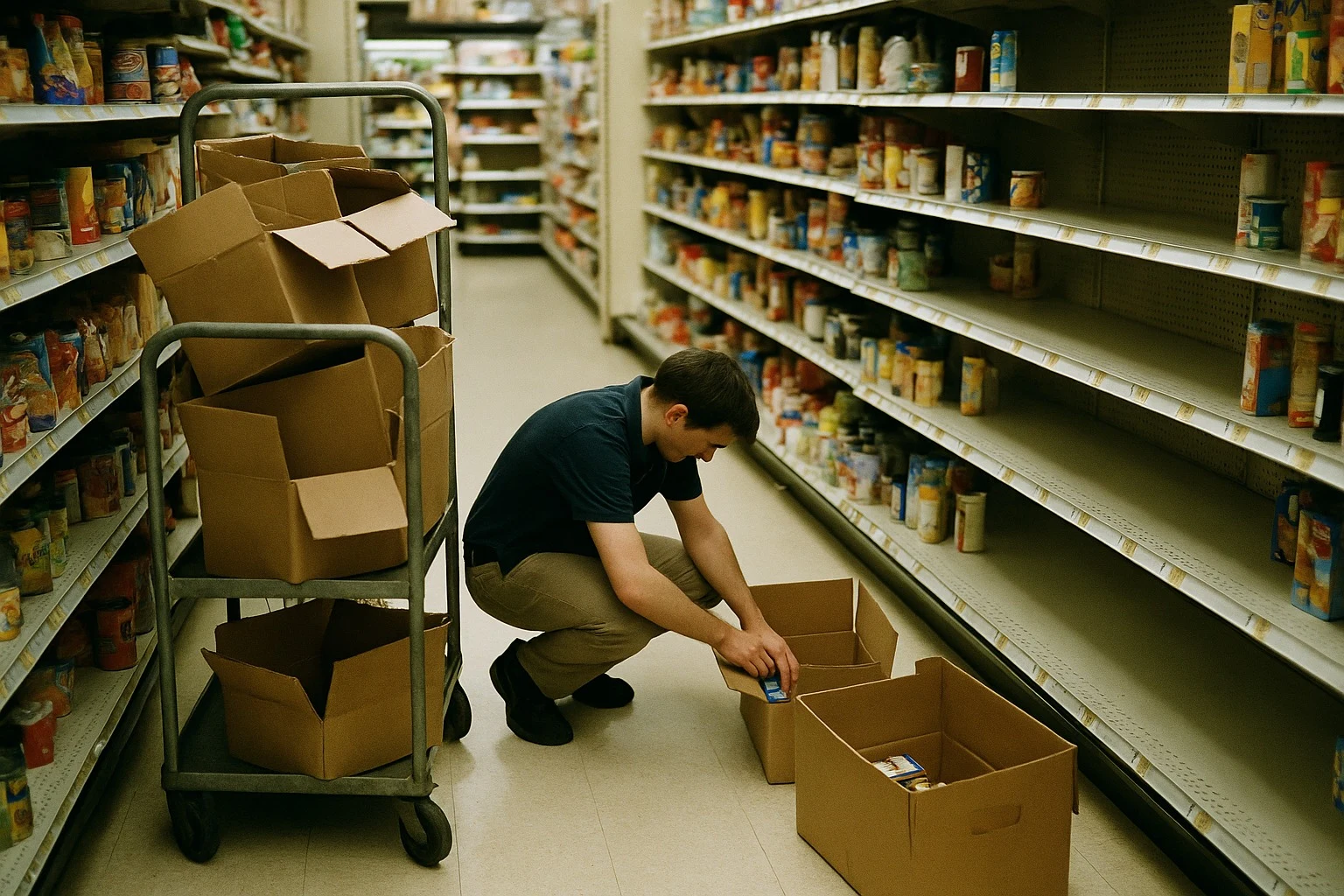
Most owners treat mess as a discipline issue — clean harder, post a checklist. But the real problem is when the mess happens. The floor is tidiest right after open and right before close, and it falls apart in the busy middle — exactly when staff are stretched thinnest and no one has a spare minute to face a shelf.
This is where store cleanliness monitoring and shelf monitoring become important. The issue is not only whether the checklist was completed. The issue is whether the floor stayed clean during the busiest selling hours.
Your staff know it. "Due to how understaffed we are, we only really have time to clean the shelves every five or six weeks," one wrote.Another put it flatly: under staffing "makes it impossible to keep a store clean.
And every tool you've been sold checks the store at the wrong moment. An opening checklist confirms things at 8am. A mystery shopper captures one snapshot a month. A floor walk only catches what's wrong while someone's walking. The mess that costs you the sale shows up at 2:40 on Saturday — when nobody's looking.
---The mess peaks when you're busiest — and that's the first hour your fixes don't cover.
You're not losing that sale to Amazon or to price. You're losing it to a spill in aisle 3.
Clean is a conversion lever
Here's the reframe worth keeping cleanliness isn't housekeeping, it's selling. Four out of five shoppers say they'd rather have a clean store than the newest tech. A clean, organized layout makes more than nine in ten more likely to buy — while an overstuffed, cluttered one persuades just 13%. Even dwell time follows: roughly a 1% bump in time-in-store tracks to a 1.3% lift in sales, and mess is the fastest way to cut a visit short.
That means messy shelf detection, spill detection, and abandoned basket detection are not just operational features. They are part of retail loss prevention because they help prevent sales from silently leaving the store.
It's why the retail chiefs watching this argue that messy stores — not e-commerce — are what's really killing brick-and-mortar. The fix isn't a bigger cleaning budget. It's knowing, in the moment, where the floor is costing you.
When the cameras watch the floor
You already own the thing that could have caught that Saturday aisle: the cameras on your ceiling. They watch the floor all day — nobody's reading them.
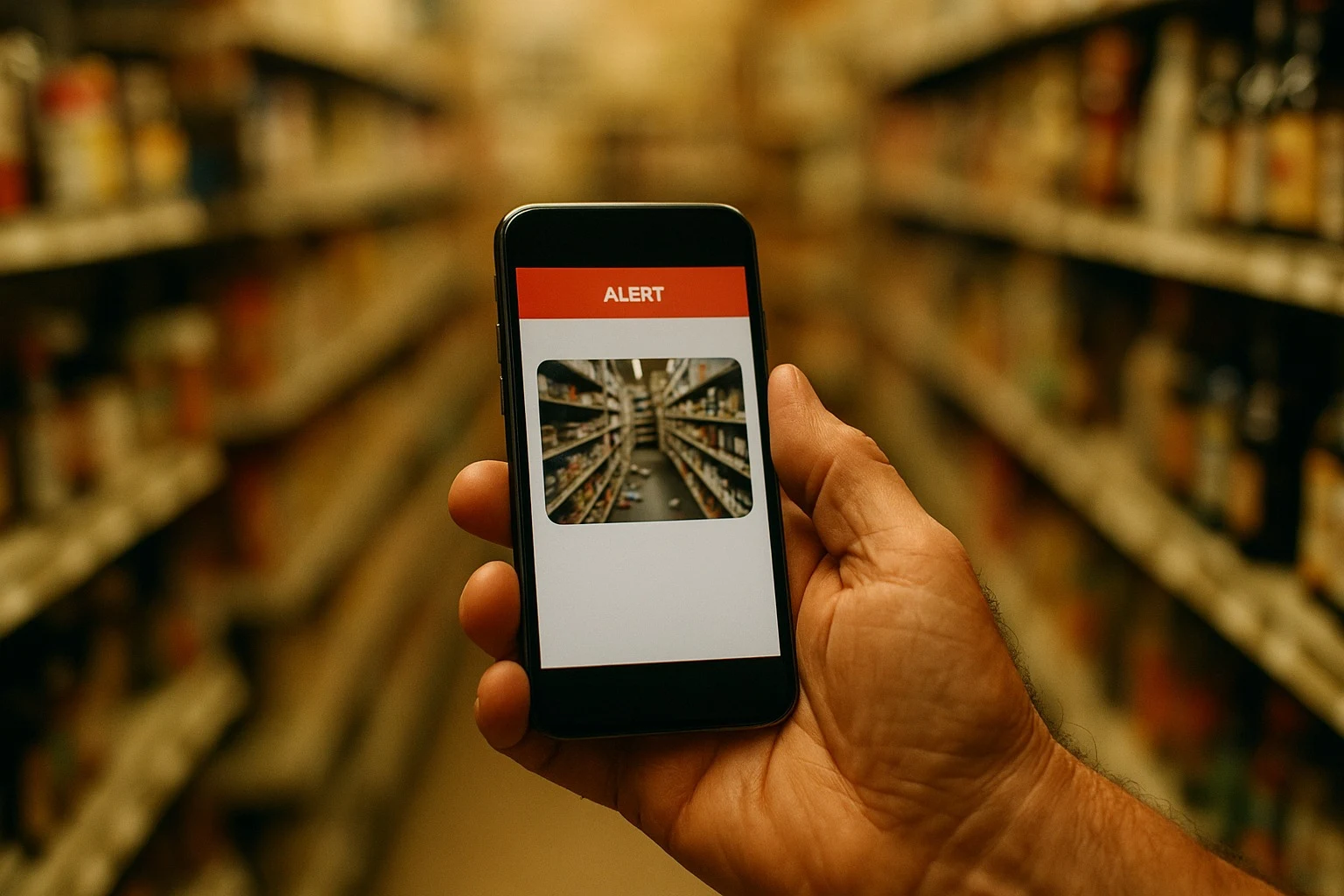
This is what FlowLinks does. It brings AI video analytics for retail to the cameras you already own — no new hardware required. With existing CCTV camera analytics, FlowLinks watches the sales floor for the conditions that cost you sales: a spill, a shelf gone messy and bare, a bin overflowing, or a basket left behind.
When one shows up in a zone, FlowLinks sends real-time retail alerts to your phone so someone fixes it before the next shopper gives up. Over a few weeks, it also shows you which hours and aisles slip, so cleaning effort lands where it actually moves the needle.
Two honest limits. It watches your public floor, not your restrooms — that line isn't ours to cross. And it doesn't mop anything: it tells a person where to look, and the person fixes it.
Rewind to 2:40. The aisle goes messy, your phone buzzes, someone faces the shelf in two minutes — and the woman with the basket finds her item and checks out. That's the sale you couldn't see, kept.
Three things to check this week
Walk your floor at your busiest hour.Count the messy shelves, spills and abandoned baskets. That's your leak, live.
Line up your cleaning to your traffic. Is your tidiest hour also your busiest — or just the one before you open?
Ask your staff when cleaning gets dropped.They already know the hour the floor falls apart.
Answer those three and you'll see exactly where an unwatched floor is quietly costing you sales — and where CCTV analytics software can help you act before the next shopper walks out.
Store mess isn't the only invisible loss. See why traditional CCTV often catches theft only after the damage is done →
---The nudge that turns a quiet afternoon back into a sale.
Pro Tip:
• Implement real-time cleaning checks during peak hours to address spills and disarray immediately. This ensures the store remains inviting for customers who might otherwise leave due to poor conditions. • Adjust your cleaning schedule based on actual traffic patterns rather than fixed times. By aligning cleaning efforts with when the floor is busiest, you can prevent mess from becoming a costly issue. • Engage staff in identifying problem areas by asking them when and where cleaning becomes less effective. Their insights will help pinpoint critical moments for intervention. • Utilize existing surveillance cameras to monitor the floor continuously, providing real-time alerts on issues that need attention before they impact sales.
Conclusion
Retail stores face significant losses from disorganized environments, with over two-thirds of shoppers leaving unsatisfied. These walk-outs often go unrecorded, but they are a critical issue for sales and customer retention. The key takeaway is that cleanliness should be viewed as a crucial selling tool, impacting dwell time and purchasing decisions significantly.